

Electrifying the Titanic is a useful analogy to understand the limitations of the “electrify everything” proposed solution to humankind’s dilemma.
Of all the presumed so called ‘solutions to our climate crisis’ this rallying cry is central to the ‘net-zero’ call - no need for real change, just carry on as we are but with electric stuff rather than fossil powered, net-zero 2050, no worries.
But the reality is the climate crisis is far from our only existential threat,
Electrifying New Zealand would not in any way mitigate all the other existential crises we face here and globally, in fact it would exacerbate most of them, because they are all (just like climate change) driven by overshoot.
Electrification of everything would increase of the extraction processing and transportation of materials especially critical minerals and much more (NZ is 15th worst in world per capita) requiring even more fossil fuel use and much more harm.
The reduction in consumption required in the wealthy world may be seen as radical – but also necessary to meet biophysical limits. This will not be convenient, but we must realise that how we in the wealthy world live is radical.
Date: Wednesday, 8th April 2026
Time: 7:30PM
Zoom: https://us02web.zoom.us/j/85643265503?pwd=bcXAXLxklNwJscZ8dPCQGxwXaCopb6.1
Meeting ID: 856 4326 5503
Passcode: 390464
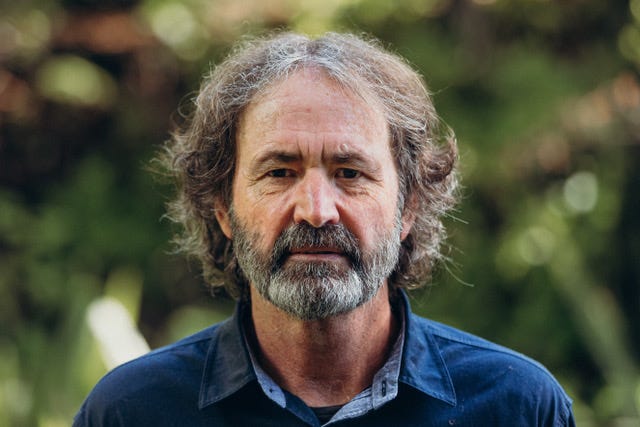
Mike Joy MSc, PhD (Ecology) is a Senior Research Fellow and Lecturer in Environmental Science at the School of Geography, Environment and Earth Sciences, Te Herenga Waka—Victoria University of Wellington. Mike’s research includes ecological modelling, freshwater bioassessment, environmental policy, biophysical limits to growth and the role of energy in society.
Mike is an outspoken advocate for environmental protection in New Zealand and for this has received several awards including an Ecology in Action award from the NZ Ecological Society, the Charles Fleming Award for environmental achievement in 2013 and in 2023 the Callaghan Medal for science communication from the Royal Society of New Zealand. In 2015 he was awarded the Morgan Foundation inaugural River Voice Award and in 2017 the inaugural NZ Universities Critic and Conscience award.