

2026 General Election: Our climate, Our vote
Unless we work hard, this election could wreak changes as destructive to the environment as the economic policies of the Lange government were to the welfare state. It is true we need to electrify essential services and it’s true we can’t do this without minerals and rare earths which lie beneath our forests. But we need to do this mindful of where we seek them, how we use them and where the profits go.
Before the advent of the coalition government we had a minimum set of rules and guidelines that protected vulnerable biodiversity from exploitation. But many of those laws have been weakened or deleted. Also during this government’s term there has been a huge increase in donations to political parties. The sum declared is a little more than $52 million of which National received $22.4 million.
The majority of these donations are from fast track developers, mining companies, fishing companies, petroleum companies – all seeking law, regulation changes or resource consent approvals for commercial enterprises. Consider the effects these fossil fuel-using activities will have not only on global heating but on environmental health and the ability of our population to survive increasingly extreme weather events.
OCD believes therefore that laws governing donations to political parties need reform.
We support the call for a government-mandated citizen’s assembly on political finance reform.
The time for hard work on election issues is diminishing. To make the most of the remaining weeks OCD is holding a series of webinars featuring candidates from Labour, The Opportunity Party, and the Green Party. We will be questioning them about their party’s policy on political donations and other climate-related major issues.
We want to know whether data centres will be required to have additional renewable electricity and adequate water resources.
Would the candidate’s party support the proposed LNG terminal at New Plymouth?
How will they address the problems of bio-methane and synthetic nitrogen fertilisers inherent in agribusiness and whether they would give assistance to farmers transitioning to more eco-friendly systems?
Our question on emissions pricing will ask how they will ensure reductions are actually achieved rather than simply allowing businesses to purchase credits or shift costs elsewhere.
We want to know whether a new government will establish a pathway for climate migrants to settle in Aotearoa.
Please participate in these webinars and bring your own questions.
Election webinar series – Our climate, Our vote
2 September
7.30pm
Scott Willis
Energy spokesperson
Green Party
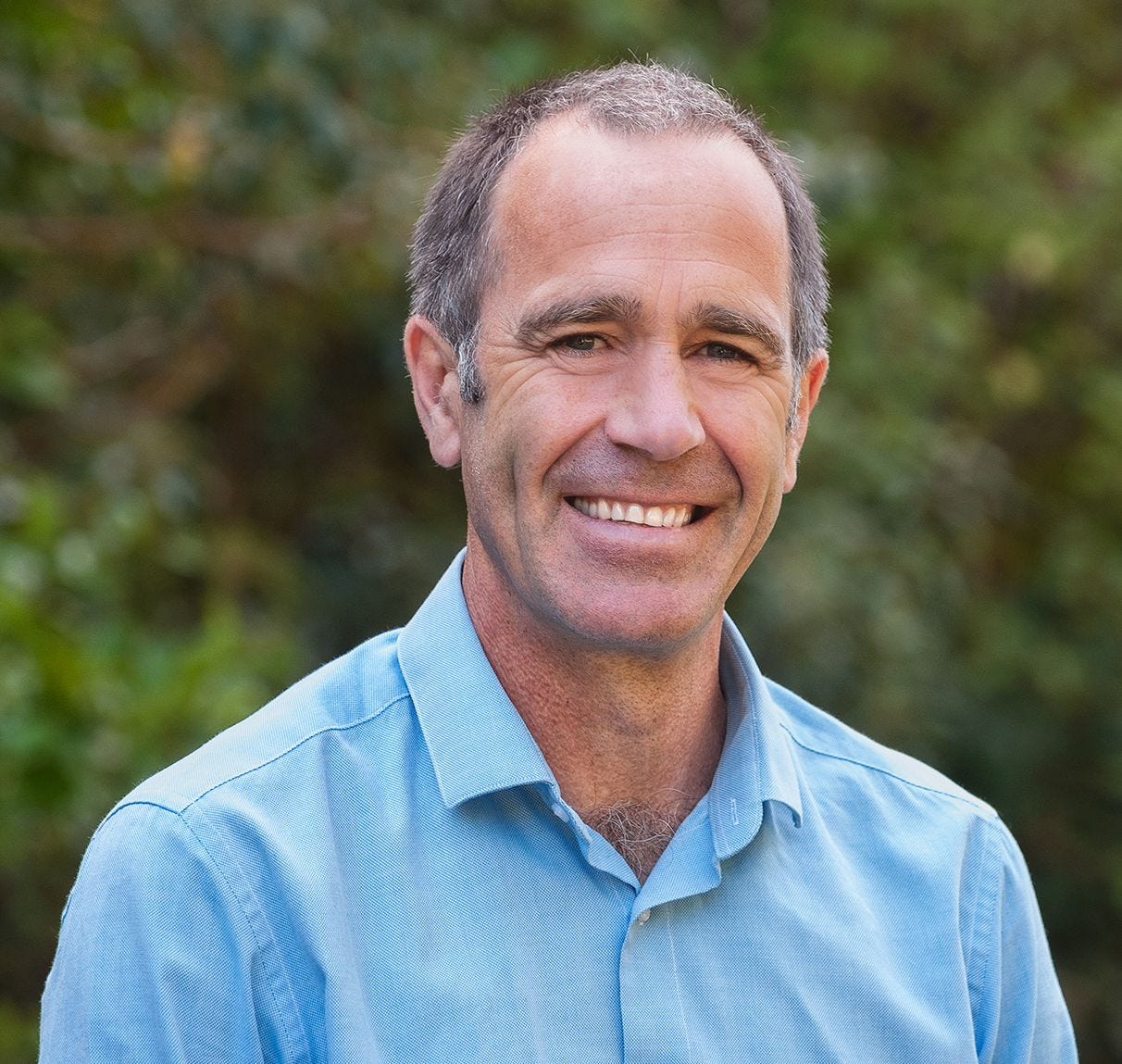
30 September
7.00pm
Dr Deborah Russell
Climate Change spokesperson
Labour

TBD
Kayla Kingdon-Bebb
Wellington Bays
The Opportunity Party

Hello, maybe it is just me but I can't see a way to sign up for the webinar with Scott Willis next week? No links in the item about it or the Upcoming Webinar section.