

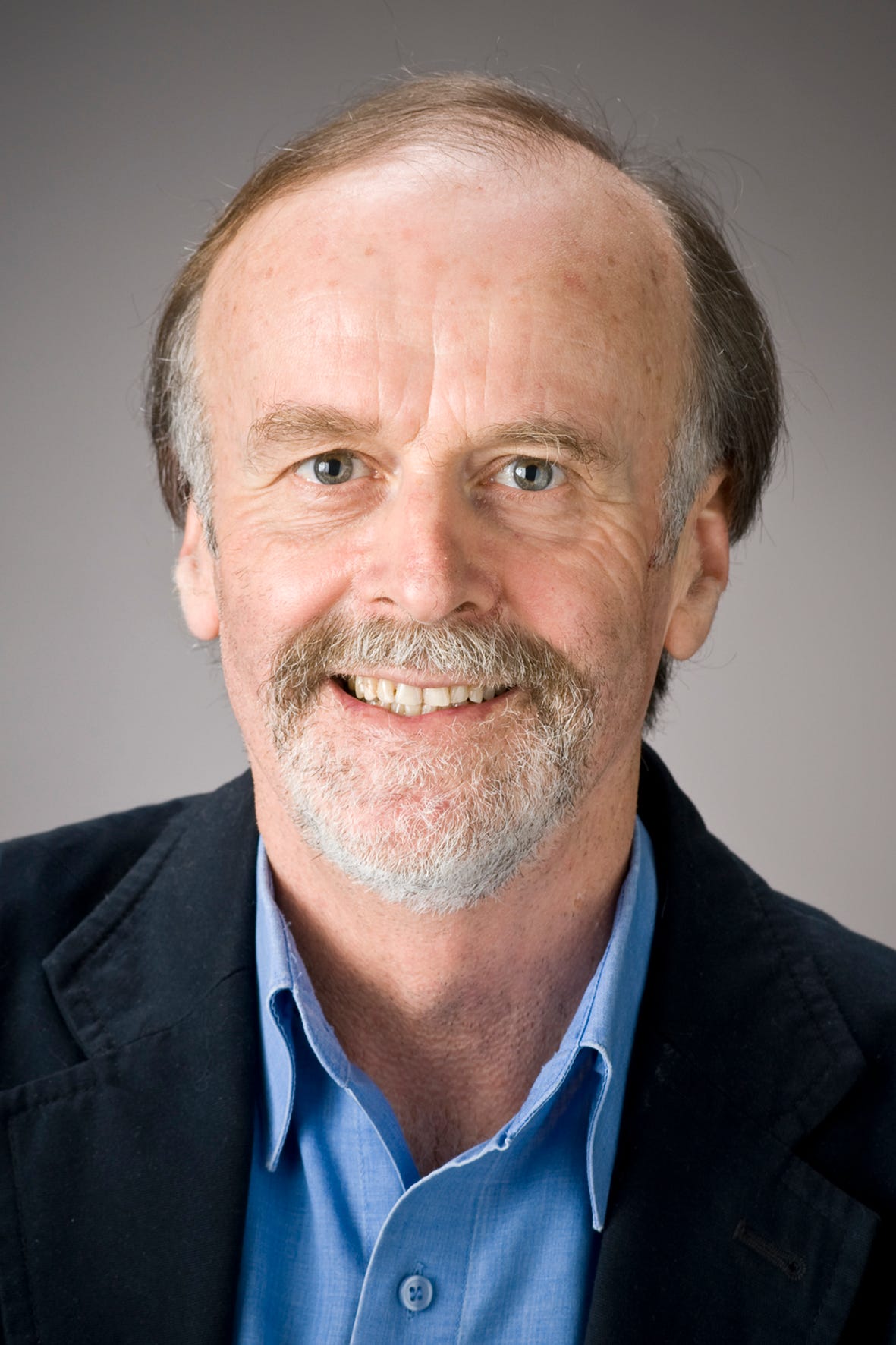
This webinar was presented by Emeritus Professor John McClure.
As most people know, we are facing a climate crisis due to human emissions of greenhouse gases into the atmosphere. The outcomes if we don’t change course are likely to be disastrous.
Yet many people seem to be relatively unconcerned about the risk. The emissions underpinning this hazard are potentially controllable, so why don’t people do more to prevent the looming outcome?
One source of this inaction is our psychology. This talk looked at these psychological factors, such as the way we perceive risk and people’s belief that nothing we do will make a difference (fatalism) or it will cost too much. The talk suggested some ways that we can counter these unhelpful tendencies.
John McClure is Emeritus professor at Victoria University of Wellington - Te Herenga Waka. After working in various roles such as freezing worker, he completed a BA and MA(Hons) at Auckland University and his doctorate at Oxford University. After a year as lecturer at Wollongong Australia, he took up his position in psychology at Victoria, eventually as professor. His research focuses on risk perception, fatalism and attributions (the way people explain events in their lives).
Date: Thursday, 6 November
Time: 7pm
The original recording of this webinar was incomplete because of technical issues. To remedy this, the webinar was re-presented in private and re-recorded. This new recording is available below:
This webinar contains questions for listeners, including questions about new ideas for how to manage climate stress - both in yourself and in the people around you. Please leave a comment on this Substack post with any ideas you have, and you can discuss them together!
Thanks to Prof McClure for the excellent and thought-provoking presentation. He asked for ideas in a couple of areas. We in Karori are in the early stages of a community-based climate action group. I landed with this after doing the Master of Climate Change Science and Policy at VUW. A few painful insights, gained slowly: government policies alone will not save us from climate change; nor will individual action; the commons problem has withstood decades of research on how to get around it.
There was a glaring "missing middle" in most of the climate and environmental psychology courses: civil society, communities. Perhaps because they're not so easy to research or teach about?
I have come to hope that communities are the Goldilocks zone for change, and I've found ten local people so far who share this view. (Our numbers are growing!) There are many tools available to communities that neither governments nor individuals can access. The "neighbourhood effect", whereby people tend to follow what their geographical neighbours are doing. Simple door-knocking and talking with people. Personal stories, which are most powerful when local. We can actively share our experiences with major things like solar, EVs, getting out of natural gas, and help local people to overcome hesitancy and procrastination.
At present, as our first baby-steps project, we're doing a comprehensive guide to e-bikes, "All your questions answered" sort of thing - with input from local e-bikers.
About the commons problem, and Prof McClure's musings on how we might influence affluent high-emitters. Here, I do not speak for the group, only for myself. I think a good way forward on both of these is to align everything involved in fighting climate change with PERCEIVED NEAR-TERM self-interest. Forget about appeals to altruism, self-restraint, sacrifice, forward thinking, doing the right thing. They don't sell. What you can "sell" is what advertisers everywhere sell. Getting a bargain. Saving $$$. Novelty. Being up with a coming trend. Status. Security. Fabulous self-image. Social approval. Such things can't really be applied to governments or international agreements, but could be effective at the community and individual level.
Communities can shape their own social norms (they already do). Again speaking for myself, not the group, I'm a firm believer that if you chip away doggedly, persistently, you can establish low-emissions, low-consumption living as the new cool. I'll be interested to delve into Minority Influence - it sounds very relevant.